The Transformer: The Perimenopause Pattern Behind Deep Fatigue and Slow Recovery
The Transformer is one of nine perimenopause patterns identified by the free Muse Decoder. It describes adrenal reserves drawn down by years of sustained output, producing deep fatigue and a recovery time that keeps stretching longer.
If one full day now costs you a full day to recover from, if exercise that should energise instead sets you back, if you feel present but somehow less available than you used to be — this is the Transformer pattern. It is not a failure of discipline. It is a reserve tank that has been drawn down for longer than anyone admitted.
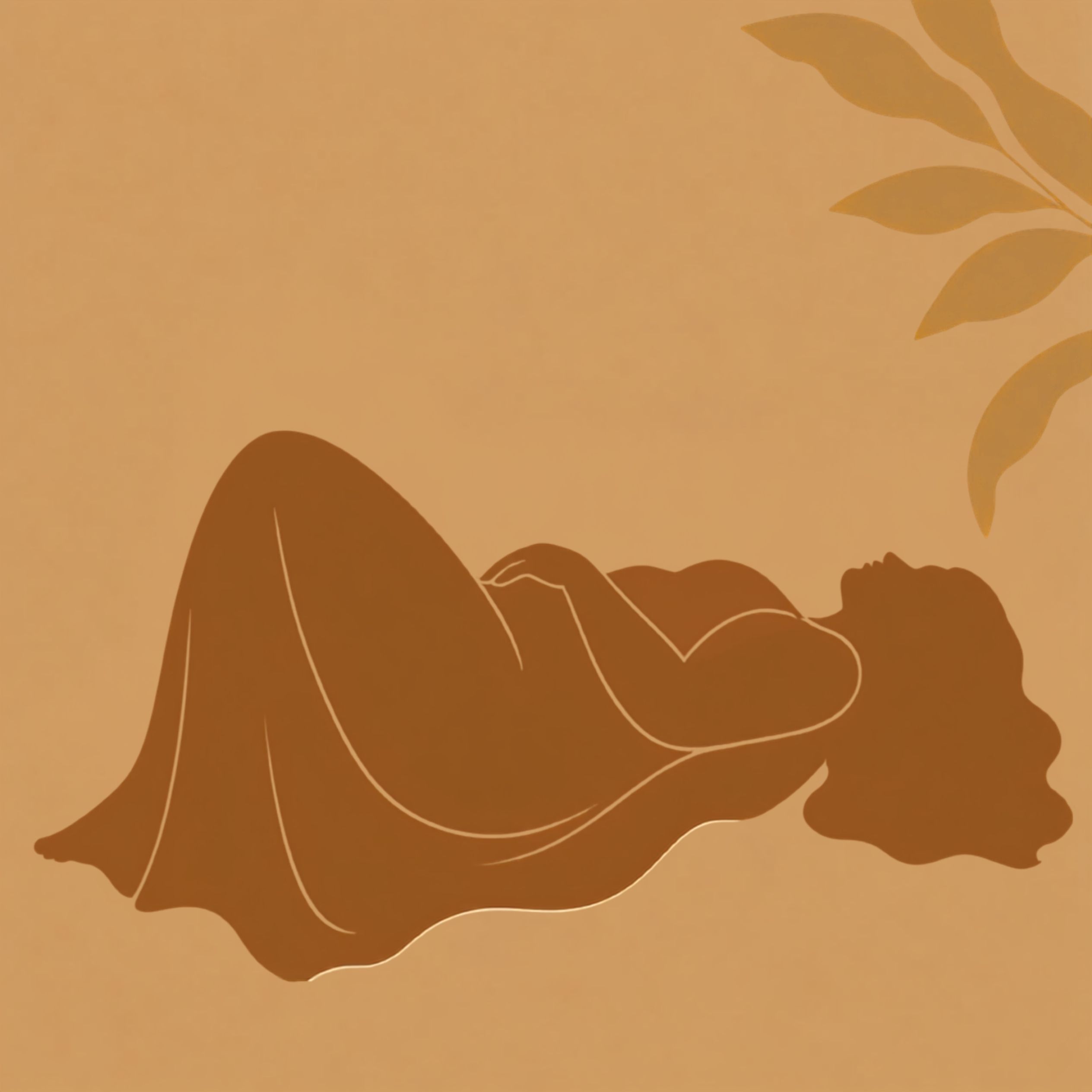
Her nature
What she carries
A capacity to transmute difficulty into something of real value for other people.
What it costs her
When the reserves run out, that capacity keeps spending anyway, converting instead of transforming. The output continues, but it stops coming from the whole of a life.
What she's being asked to do
This isn't about stopping. Rebuild what transformation actually requires.
The pattern
What this feels like
The pilot light is on. But only just. This is not exhaustion in the way you used to know it, the kind that a good night's sleep would resolve. This is the reserve tank running low. One full day requires a full day to recover. Exercise that should energise instead sets you back for days. You are present. But there is less of you available than there used to be.
Do you recognise this?
- Needing two to three days to recover from one busy day
- Exercise that costs more than it gives
- The hollow, transparent feeling — running on nothing
Why this happens: three lenses, one pattern
Your adrenal glands produce the raw material for oestrogen, progesterone, testosterone, and cortisol. Under sustained output demands, they prioritise cortisol at the expense of everything else. Over years, this depletes the building materials, and by the time the ovaries are already reducing their own output, the adrenals have little left to contribute. This is not a mental state. It is a measurable metabolic reality.
Chronic, sustained stress changes how your HPA axis, the communication loop between your brain and adrenal glands, regulates cortisol. Instead of the normal rhythm, that rhythm flattens or shifts, so cortisol stops arriving when your body actually needs it. The result is real fatigue at a cellular level, not tiredness sleep can fix.
In Chinese medicine, there is a deep constitutional reserve, partly inherited, partly built through a lifetime, that underlies all other aspects of health. When this reserve is significantly depleted through sustained output without adequate recovery, the symptoms are in the substrate itself: a bone-deep exhaustion and a feeling of being displaced from your own centre.
In Ayurveda, Ojas is the most refined substance in the body, built slowly from the most nutritious part of everything you eat, live, and experience. When Ojas is severely depleted, biological functions are compromised simultaneously, because the resource that feeds them all has been drawn down. The intervention is deep, slow replenishment, not ordinary supplementation.
Receive before you give, in every sense. Nourishing food eaten slowly, not immediately converted into output. Rest is not recovery unless digestion is also supported. This is the whole protocol in one sentence.
Nutrition as first practice
Food is a tool to create clarity and movement. Three principles guide everything else:
- Warm, soft, long-cooked food that has already been broken down before it reaches you
- Dense nourishment in small, frequent portions rather than large, complex meals
- Less fasting, cold food, and anything stimulating — all of which spend what this pattern cannot currently afford
A day of eating
Breakfast
Quinoa pureed or very soft, with cardamom and ghee, something that asks very little of a tired digestion. Small and warm beats large and virtuous.
Lunch
Keep it dense but simple, soft-cooked quinoa, a little ghee, whatever protein is easiest that day. This is not the meal to spend willpower on.
Dinner
Bone-deep exhaustion doesn't get better because you finally find the right supplement. It gets better because something in the day stops asking so much of you, and food can be one of the gentlest places to start. Build one meal you can make without deciding anything, so eating well on the hardest days doesn't require energy you don't have.
Why it works, and a lower-effort week
This pattern often means depleted reserves and a digestive system that's tired too. Meals that are easy to make and easy to digest matter more right now than anything elaborate.
- A tin of good quality soup kept stocked for the days you can't cook
- Scrambled eggs and toast, genuinely enough some nights
- A slow cooker meal made once and eaten across several days
- Something small and nourishing kept by the bed for the days getting up to cook feels like too much
This isn't about eating perfectly. It's about lowering the bar just enough that eating well doesn't become one more thing you have to find energy for.
Snacks
Small and frequent rather than one large meal that asks too much at once. Something nourishing kept within reach for the days when getting up to cook feels like too much.
The rhythm matters as much as what's on the plate. Leave real gaps between meals instead of grazing through the day, and treat at least one meal, ideally lunch, as something you actually sit down for, without a screen, chewed slowly. Digestion starts before the first bite reaches your stomach.
This is educational content, not medical advice, diagnosis, or treatment. If you are pregnant, nursing, taking medication, or managing a health condition, check with a qualified healthcare practitioner before changing your diet.
Earthbody practice
Nutrition is the first practice. The deeper one is what Muse Rebellion calls earthbody practice — small, repeatable ways of putting your body back in contact with a rhythm older than the pattern you're in. For the Transformer, that rhythm is rest: reserves that have been drawn down need real recovery, not another form of output.
The Receiving Practice
Go outside and find somewhere to lie down on the earth, grass, a blanket on soil, a flat rock in the sun. Lie face up. Do nothing. Let something else hold your weight for once. This is the practice of receiving without producing, of being held without holding. Five minutes. Longer if you can. This pattern has been giving. This is the practice of taking back.
The Refusal Practice
Write three versions of "not today" in your own language, for the three requests you find hardest to decline. Have them ready before you need them. This pattern's boundary is not a wall, it is a prepared response that doesn't require improvisation in the moment. Use one per week. Notice that the world continues.
Go deeper: a pose, a mudra, and a sound for the The Transformer
Pose — Supported Savasana. Lie on your back with a bolster or folded blanket under the knees, an eye pillow if available, and a light blanket over the body. Set a timer for fifteen minutes and do nothing. This is the most difficult and the most necessary practice. Warmth, darkness, the body held, tells the nervous system the emergency is over. Practice daily. This is not optional.
Mudra — Prana Mudra. Touch the tips of the ring and little fingers to the tip of the thumb. Index and middle fingers extended. Prana mudra is the mudra of life force, used specifically to activate dormant energy reserves that cannot be accessed through effort. Practise during supported savasana for maximum effect.
Sound — Xi. The Xi sound (pronounced 'shee') governs metabolic distribution: how energy is produced, held, and circulated through the body. One hand on the chest, one on the lower abdomen. Inhale fully, and exhale Xi with the intention of warmth spreading evenly from centre to periphery. Six to nine repetitions, lying down during supported savasana.
Not sure this is your pattern?
The Transformer is one of nine patterns the Muse Decoder identifies by reading your body through Ayurveda, Chinese medicine, and Western physiology. If deep fatigue and slow recovery aren't quite it, one of the other eight might fit better. The free decoder takes about ten minutes.
Take the Muse Decoder →The nine Earthbody Muses: the Catalyst, the Seer, the Oracle, the Sanctuary, the Weaver, the Deep Diver, the Truth-Teller, the Transformer, and the Deep Spring. Explore the Library.
Frequently asked questions
What is the Transformer pattern?
The Transformer is one of nine hormonal and energetic patterns identified by the Muse Decoder. It describes adrenal reserves that have been drawn down over years of sustained output, which is what produces the deep fatigue and slow recovery this pattern is known for.
Why does recovery take so much longer than it used to?
Your adrenal glands have been prioritising cortisol production at the expense of the sex hormones for a long time, and by perimenopause the building blocks are depleted. The cells themselves are generating less energy than they need, so recovery genuinely takes longer, this is measurable, not a mindset.
What is the fastest first change to try?
Build one easy meal you can make without deciding anything, a tin of soup, eggs on toast, so that eating well on the hardest days doesn't require energy you don't have. This pattern needs food that's easy to make and easy to digest more than anything elaborate.
How do I know if the Transformer is my pattern, and not one of the other eight?
The free Muse Decoder reads your body through Ayurveda, Chinese medicine, and Western physiology and takes about ten minutes. If deep fatigue and slow recovery are not quite your experience, it will point you toward a better match.